R&D LABORATORY
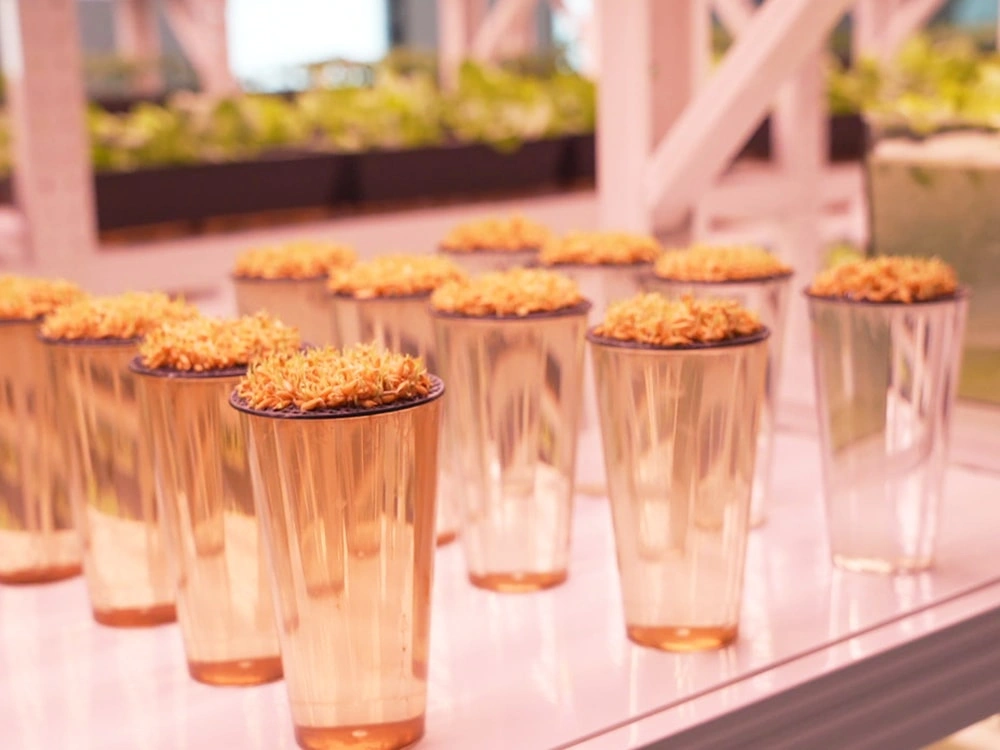
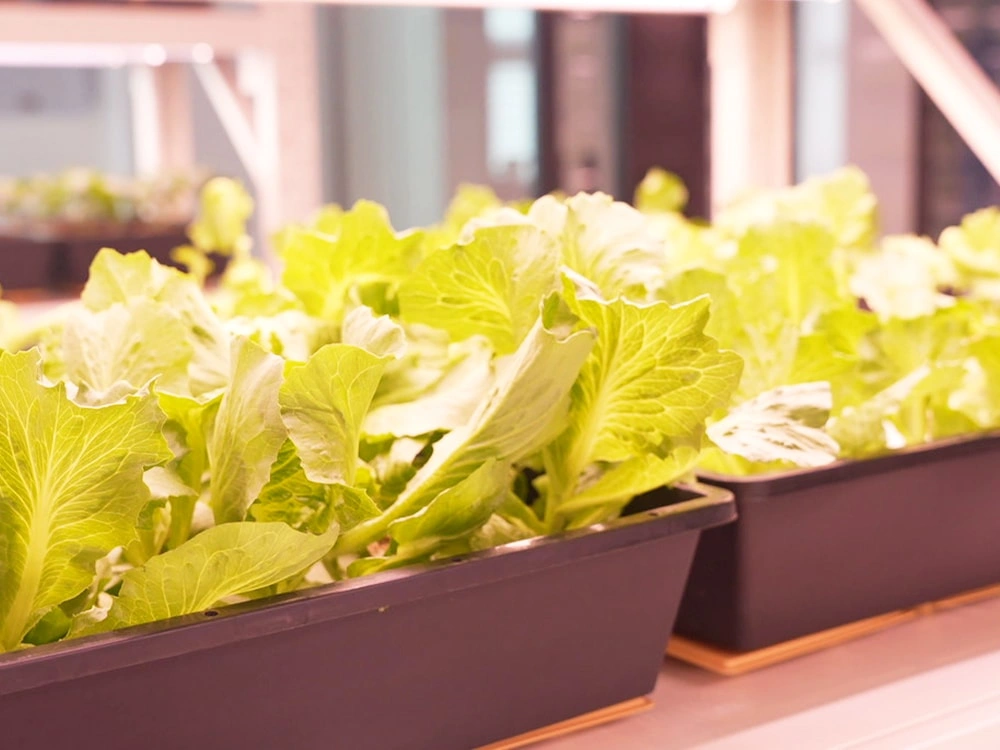
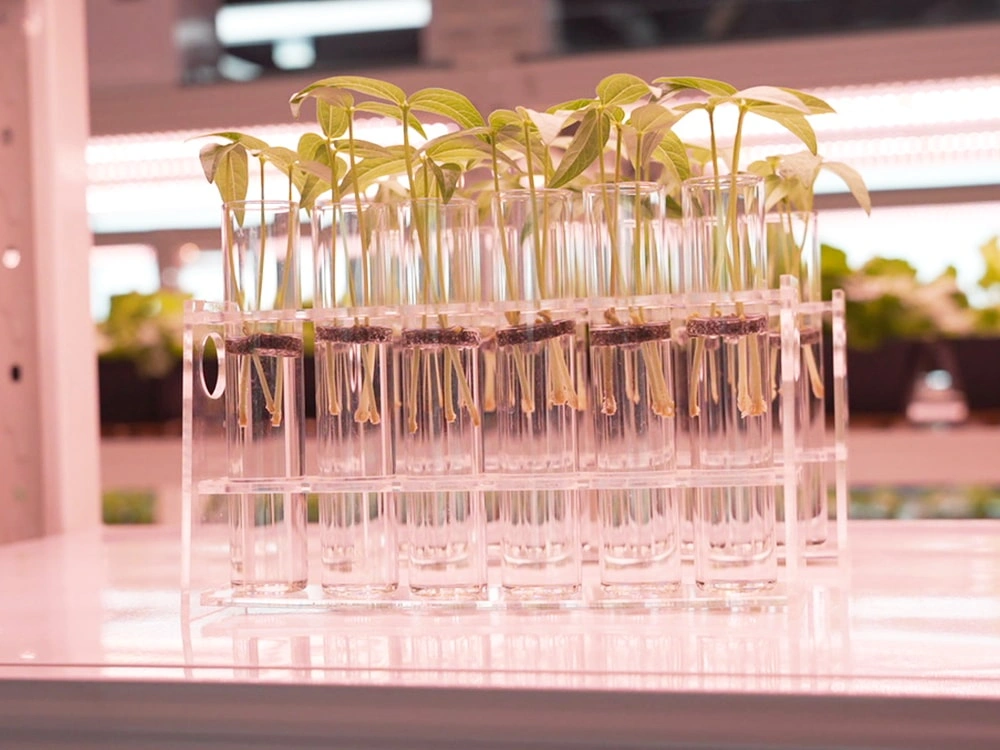
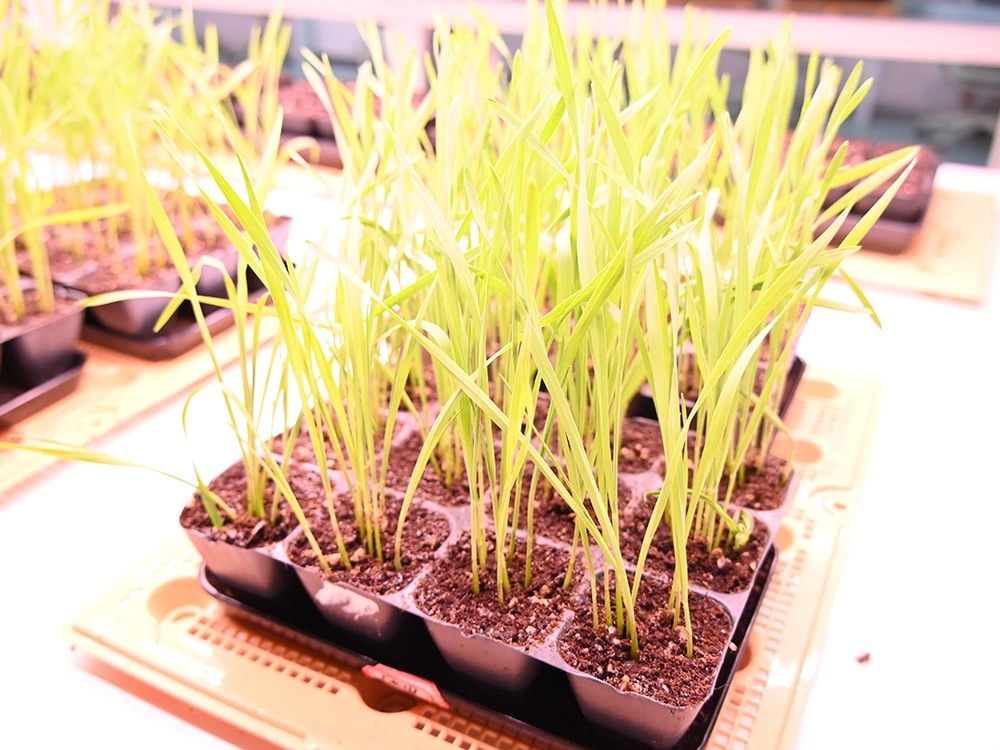
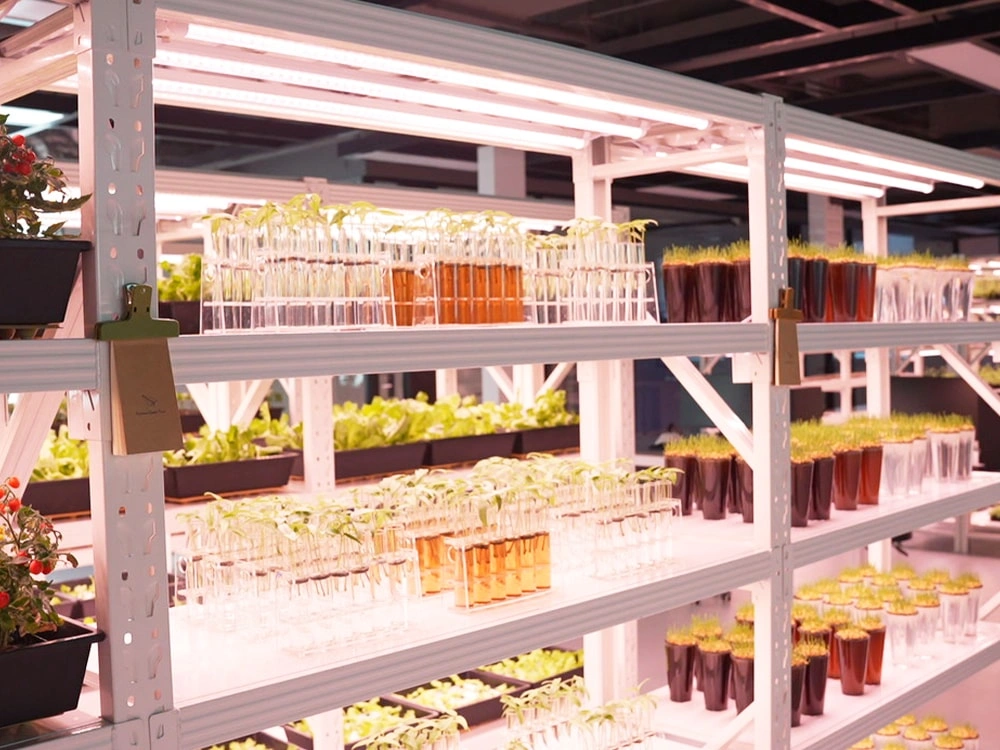
Bioassay Cultivation Matrix
The Abiotic Stress Testing Chamber is a secondary bioassay system established by PHI to address the complexities of bioactive substance research, featuring high-throughput, multi-replicate, and multi-angle testing capabilities. This integrated laboratory combines plant cultivation, stress simulation, and phenotypic measurement to evaluate substance performance in crops such as peppers, tomatoes, and rice under various growth conditions.
Equipped with artificial climate chambers capable of simulating over 300 stress conditions including high-temperature drought, low-temperature low-light, and saline-alkali stress, the facility also incorporates root scanners, microscopes, and time-lapse photography systems. These instruments enable real-time monitoring of multiple phenotypic indicators such as root length, leaf surface area, and plant height, allowing for continuous observation of plant growth changes under various stress conditions and comprehensive evaluation of substances' effects on improving plant growth.
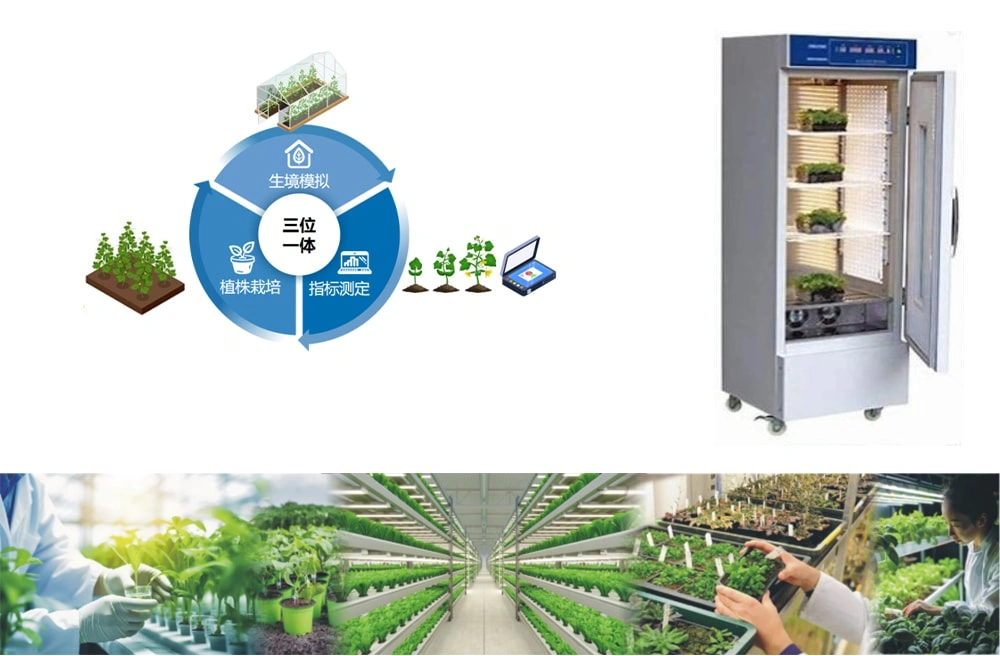
Bioassay analysis encompasses physiological, biochemical, and genetic parameter measurements
Plant Physiological Indicators Testing
The laboratory is equipped with instruments including photosynthesis systems, chlorophyll fluorescence imagers, and microplate readers to conduct real-time monitoring of crop photosynthetic parameters such as net photosynthetic rate and transpiration rate. These tools enable accurate assessment of plants' photosynthetic activity status under biotic/abiotic stress, providing precise analysis of stress resistance and antioxidant capacity.
Plant Quality Indicators Testing:
The lab utilizes texture analyzers, colorimeters, pH meters, Brix refractometers, and near-infrared spectrometers to evaluate fruit texture and flavor profiles. The NIR spectrometer enables rapid, accurate quantification of fruit sugar content, starch levels, and protein concentration.
Soil Physicochemical Properties Analysis:
Equipped with flame photometers, spectrophotometers, pH meters, and conductivity meters, the laboratory performs professional soil diagnostics. The ICP-MS system provides quantitative analysis of macro/micronutrients in both soil and plant tissues.